Maize subsidy scandal puts mutahi kagwe’s leadership on the spot over accountability
 colokeba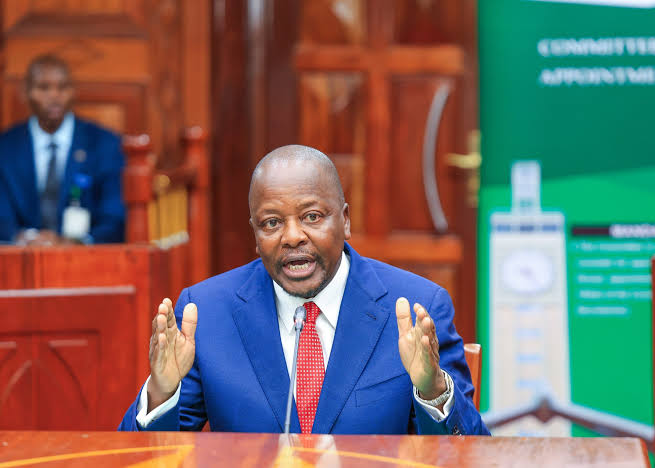
Mutahi Kagwe has been pushed into the centre of a growing national storm after reports confirmed that Ksh4 billion meant for maize flour subsidies in the 2022/23 financial year was spent without Parliament’s approval.
The revelation has shocked many Kenyans because the money was supposed to cushion families from the high cost of unga, yet it was used outside the lawful budget process.
This discovery has now raised fresh concerns about weak financial controls in government and the possibility that top officials may have played a role in allowing the money to be released without proper oversight.
The Ministry of Agriculture, Rural and Urban Development report shows that the funds were part of the recurrent budget for the State Department for Crops Development, but they were not included in Supplementary Estimates 1 and 2 for that year.Instead, the money was disbursed without the required parliamentary approval, leading to overspending that went beyond 104 per cent of the ministry’s allocated recurrent budget.
The report also reveals that millers were paid directly, a move that bypassed Parliament and raised questions about who authorised the payments and why the correct procedure was ignored.
A senior parliamentary official described the situation as a failure of governance at the highest levels.Kagwe now faces growing pressure to explain how such a large amount of money was released under his watch.
This comes at a time when he has been receiving praise for announcing a bumper maize harvest of 70 million 90kg bags in 2025.
His programmes, including direct maize purchases from farmers and the Fertiliser Subsidy Programme that delivered more than 21 million bags of fertiliser worth over Ksh53 billion, were seen as major steps towards food security.
The fertiliser initiative alone reduced input costs for farmers by 67 per cent and helped them save more than Ksh105 billion.
But despite these achievements, critics argue that the subsidy scandal has weakened public trust in his leadership.
The controversy has also drawn attention to former Deputy President Rigathi Gachagua, who has long been associated with maize politics.
Analysts suggest that his influence in the sector, especially during the election period when maize flour prices became a major political issue, may have played a role in the unapproved spending.
With Ksh4 billion now unaccounted for through the proper channels, many are asking whether political interests were involved and if certain individuals benefited from the payments made to millers.
Economists insist that a full audit is needed to establish the truth and reveal who authorised the expenditure.
Public anger continues to grow as citizens question why Parliament was bypassed and why taxpayer money was spent without transparency.
With elections drawing closer, the scandal is already being used by political opponents to criticise the government for failing to uphold accountability.
Civil society organisations are calling for urgent hearings to investigate the matter and ensure that those responsible face consequences.
They argue that money meant to support food security should never end up in private hands without clear oversight.
Kagwe must now provide a clear explanation and guarantee that future programmes will follow the law.
The Ministry of Agriculture has promised to cooperate with parliamentary investigations and tighten its budget controls.
Analysts warn that the scandal could influence future maize policies, subsidy decisions, and even the political futures of those linked to the issue.